

 Contact Now
Send Message
Privacy statement: Your privacy is very important to Us. Our company promises not to disclose your personal information to any external company with out your explicit permission.

Shaanxi Kaishi Biotechnology Co., Ltd


$150
1-199 Others
$130
200-499 Others
$100
≥500 Others


Product Description
Licorice Powder Capsules are botanical supplements made from powdered Glycyrrhiza root, traditionally used in herbal preparations and valued for naturally occurring triterpenoid saponins and flavonoids. They are developed for nutraceutical brands and private label programs seeking a recognizable licorice-root ingredient for traditional botanical, daily wellness, and multi-herbal capsule formulations.
Licorice powder is produced by drying and finely milling the root and rhizome of Glycyrrhiza species used as licorice botanical material. Commercial licorice ingredients may be supplied as whole-root powder or concentrated extract, and these forms should be distinguished because their composition, concentration, analytical specifications, and capsule-fill requirements differ.
Licorice naturally contains glycyrrhizin, also called glycyrrhizic acid, together with flavonoids and other phytochemicals. Glycyrrhizic acid is an important reference compound for licorice quality assessment. Whole licorice powder, however, is a complex botanical material and does not have one molecular formula, molecular weight, or CAS number.
| Item | Specification |
|---|---|
| Product Name | Licorice Powder Capsules |
| Botanical Source | Glycyrrhiza species used as licorice root |
| Plant Part | Root and rhizome |
| Category | Plant Extracts / Herbal Ingredients |
| Ingredient Type | Finely milled licorice root powder |
| Key Constituents | Glycyrrhizin, flavonoids, and other naturally occurring licorice phytochemicals |
| Reference Marker | Glycyrrhizic acid |
| CAS Number of Glycyrrhizic Acid | 1405-86-3 |
| Molecular Formula of Glycyrrhizic Acid | C42H62O16 |
| Molecular Weight of Glycyrrhizic Acid | 822.9 g/mol |
| CAS Number of Whole Licorice Powder | Not applicable as a single identifier to the multi-component botanical material |
| Appearance | Yellowish-brown to light brown fine powder |
| Specification | Whole-root powder; concentrated and marker-standardized licorice extracts are separate specification options |
| Test Method | Botanical identity testing; HPLC for glycyrrhizic acid or other specified markers |
| Dosage Form | Hard capsules |
| Particle Size | Customizable according to blending and encapsulation requirements |
| Shelf Life | Typically 24 months under recommended storage conditions |
| Storage | Store tightly sealed in a cool, dry place away from moisture, heat, and direct sunlight |
| Packaging | Finished capsule packaging can be customized; bulk powder is commonly packed in 1kg or 5kg aluminum foil bags and 25kg fiber drums |
| Applications | Traditional herbal supplements, botanical wellness formulas, multi-herbal blends, and private label capsules |
The main sourcing decision for licorice capsules is whether the product requires whole-root powder or a concentrated extract. These materials should not be compared only by milligrams per capsule. Whole powder emphasizes the broader botanical material, while extracts can concentrate selected constituents and reduce the amount of material required in the capsule.
| Ingredient Type | Key Characteristic | Best Fit |
|---|---|---|
| Licorice Root Powder | Finely milled botanical material with a broad whole-root composition | Traditional botanical and whole-herb capsule positioning |
| Licorice Extract | Concentrated botanical ingredient with reduced fill-volume requirements | Multi-ingredient capsules and formulas requiring greater concentration |
| Standardized Licorice Extract | Controlled to a declared marker such as glycyrrhizic acid | Products requiring defined analytical specifications and stronger batch consistency |
An extract ratio and a glycyrrhizic acid assay answer different procurement questions. Extract ratio describes the relationship between botanical starting material and extract, whereas marker standardization establishes a measurable constituent in the finished ingredient. Buyers should therefore compare the botanical source, ingredient format, marker assay, analytical method, and COA rather than relying on extract ratio alone.
Another important formulation distinction is conventional licorice versus deglycyrrhizinated licorice, commonly called DGL. Conventional licorice retains naturally occurring glycyrrhizin, while DGL is specifically processed to substantially reduce this constituent. DGL should therefore be sourced as a separate specification rather than treated as another name for ordinary licorice powder.
This distinction also matters for product safety. Significant or prolonged intake of glycyrrhizin-containing licorice can cause clinically important effects, particularly in susceptible consumers or when combined with certain medications. Finished-product formulation, directions, warnings, and target-market labeling should therefore receive appropriate safety and regulatory review.
Licorice quality control should establish botanical identity and distinguish whole-root powder from concentrated or Standardized Extracts. Where a marker specification is declared, quantitative testing should be incorporated into incoming material and batch-release evaluation.
Licorice Powder Capsules can be developed as single-botanical supplements or incorporated into customized herbal combinations. OEM and private label options include formulation development, Capsule Manufacturing, capsule shell selection, labeling, and flexible packaging. Conventional licorice, standardized extract, and DGL concepts should be treated as distinct formulation specifications during product development.
Finished Licorice Powder Capsules can be supplied in customized bottles or bulk packaging formats. For raw ingredient supply, common packaging includes 1kg and 5kg aluminum foil bags and 25kg fiber drums. Keep the material tightly sealed in a cool, dry environment and protect it from excessive heat, moisture, and direct sunlight.
Licorice Powder Capsules provide a practical whole-root format for brands developing Glycyrrhiza-based botanical supplements. Professional sourcing should distinguish whole licorice powder from concentrated extract and DGL, while glycyrrhizic acid specifications, analytical testing, safety considerations, and finished-product requirements should guide ingredient selection.
Contact us today to request samples, a COA, technical documents, and a wholesale quotation for Licorice Powder Capsules.
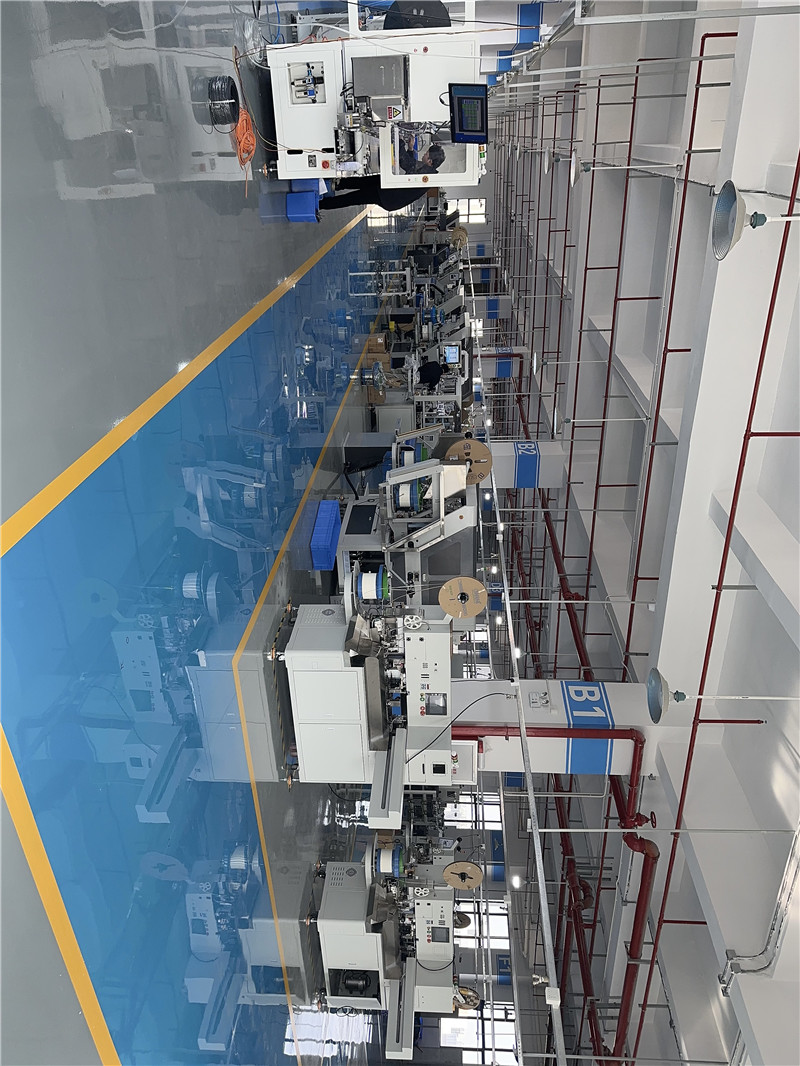
Packaging & Delivery
The file is encrypted. Please fill in the following information to continue accessing it


Privacy statement: Your privacy is very important to Us. Our company promises not to disclose your personal information to any external company with out your explicit permission.
Fill in more information so that we can get in touch with you faster
Privacy statement: Your privacy is very important to Us. Our company promises not to disclose your personal information to any external company with out your explicit permission.