

 Contact Now
Send Message
Privacy statement: Your privacy is very important to Us. Our company promises not to disclose your personal information to any external company with out your explicit permission.

Shaanxi Kaishi Biotechnology Co., Ltd


$90
1-199 Others
$85
200-499 Others
$75
≥500 Others


Product Description
Amygdalin is a naturally occurring cyanogenic glycoside found in kernels and seeds of certain Prunus species, including apricot and bitter almond. Although purified amygdalin is used in analytical and research contexts, oral supplement development requires exceptional caution because enzymatic breakdown can release cyanide and create a significant toxicological risk.
Amygdalin is a plant-derived cyanogenic compound also historically referred to in some markets as laetrile or incorrectly as vitamin B17. It is not a vitamin. Chemically, amygdalin contains a cyanogenic moiety that can be metabolized to release hydrogen cyanide under certain biological conditions.
Because of this safety profile, Amygdalin should not be treated like a conventional botanical supplement ingredient. Regulatory authorities have warned that amygdalin-containing apricot kernel products can cause cyanide poisoning, and oral products promoted with therapeutic claims have faced regulatory action. Amygdalin is therefore more appropriately positioned for analytical, reference-standard, or qualified research applications rather than routine consumer capsule development.
| Item | Specification |
|---|---|
| Product Name | Amygdalin |
| Compound Category | Cyanogenic glycoside / plant-derived research compound |
| Common Natural Sources | Apricot kernels, bitter almonds, peach seeds, plum seeds, and related Prunus species |
| CAS Number | 29883-15-6 |
| Molecular Formula | C20H27NO11 |
| Molecular Weight | 457.4 g/mol |
| Typical Appearance | White to off-white crystalline powder for purified material |
| Common Purity Grades | High-purity analytical and research grades, commonly evaluated by chromatographic assay |
| Test Method | HPLC or other validated chromatographic methods |
| Identity Testing | Chromatographic and spectroscopic identification according to analytical specification |
| Safety Characteristic | Cyanogenic compound capable of contributing to cyanide exposure following enzymatic degradation |
| Intended Commercial Positioning | Analytical, laboratory, reference-standard, and qualified research applications |
| Consumer Capsule Positioning | Not recommended as a routine dietary supplement format because of cyanogenic toxicity concerns |
| Shelf Life | Typically up to 24 months when packaged and stored according to the applicable material specification |
| Storage | Keep tightly sealed in a cool, dry place protected from moisture, heat, and direct light |
| Packaging | Protective laboratory or research-grade packaging appropriate to quantity and material handling requirements  |
The defining sourcing issue for amygdalin is not simply purity. Because the compound is cyanogenic, buyers must evaluate intended use, regulatory status, toxicological controls, identity, purity, storage, and handling together. A 98% or 99% assay does not make an oral supplement application inherently appropriate or safe.
| Procurement Factor | Why It Matters | Recommended Evaluation |
|---|---|---|
| Compound Identity | Confirms that the supplied material is amygdalin rather than another kernel-derived constituent | Review CAS number, analytical identity, and chromatographic profile |
| Purity | Defines composition but does not remove cyanogenic risk | Evaluate assay together with impurity and safety data |
| Cyanogenic Potential | Amygdalin can contribute to cyanide exposure after enzymatic breakdown | Review toxicological and handling information before any application decision |
| Intended Use | Regulatory expectations differ between laboratory use and consumer ingestion | Define research, analytical, or other permitted use before procurement |
| Documentation | Supports material qualification and safe handling | Review COA, specification, SDS, and analytical documentation |
Amygdalin is sometimes marketed under the name vitamin B17, but this terminology is scientifically misleading because amygdalin is not an established vitamin. Buyers should use the correct chemical name in technical specifications, product documentation, and regulatory review.
Amygdalin can be converted to cyanide in the gastrointestinal tract. The U.S. Food and Drug Administration has warned that consumption of amygdalin-containing apricot seed products may lead to cyanide toxicity, including potentially fatal poisoning. For this reason, consumer oral applications require a substantially different risk assessment from ordinary Plant Extracts or Nutritional Ingredients.
Amygdalin has also historically been promoted as laetrile for cancer-related uses. Such therapeutic claims are not appropriate for supplement marketing, and amygdalin should not be described as curing, treating, preventing, or controlling cancer or any other disease.
Quality control for purified amygdalin should focus on chemical identity, chromatographic purity, impurity profile, moisture, residual solvents where applicable, and documentation appropriate to the intended research use. Safety documentation should accompany the technical specification because purity alone does not characterize the compound's toxicological profile.
Amygdalin should be supplied in tightly sealed protective packaging appropriate to laboratory or qualified research use. Containers should protect the material from excessive moisture, heat, and direct light. Storage and handling instructions should follow the applicable technical specification and safety data sheet.
Amygdalin should not be approached as an ordinary nutritional ingredient because it is cyanogenic and can contribute to cyanide exposure after ingestion. Regulatory status varies by market, and oral consumer applications require careful toxicological and legal review rather than standard supplement-product development assumptions.
Amygdalin is often associated with the term laetrile and has also been marketed as vitamin B17. However, amygdalin is not an established vitamin, and these names should not be used to imply nutritional necessity or therapeutic benefit. Technical procurement should rely on the verified chemical identity and specification.
No. Higher chemical purity describes the proportion of amygdalin in the material but does not remove the compound's cyanogenic nature. Application suitability therefore cannot be determined from a 98% or 99% assay alone; toxicological properties and intended use remain central to the procurement decision.
Typical procurement documentation should include a certificate of analysis, product specification, identity and purity information, and a safety data sheet. Additional analytical documentation may be requested depending on the laboratory method, regulatory environment, and internal qualification requirements of the purchasing organization.
Amygdalin is a chemically defined cyanogenic glycoside with legitimate analytical and natural-product research applications, but it should not be treated as a routine supplement ingredient. Procurement decisions should prioritize chemical identity, purity, toxicological characteristics, regulatory status, documentation, and intended use before considering any commercial application.
Contact us today to request a COA, SDS, technical documents, and a quotation for qualified Amygdalin research applications.
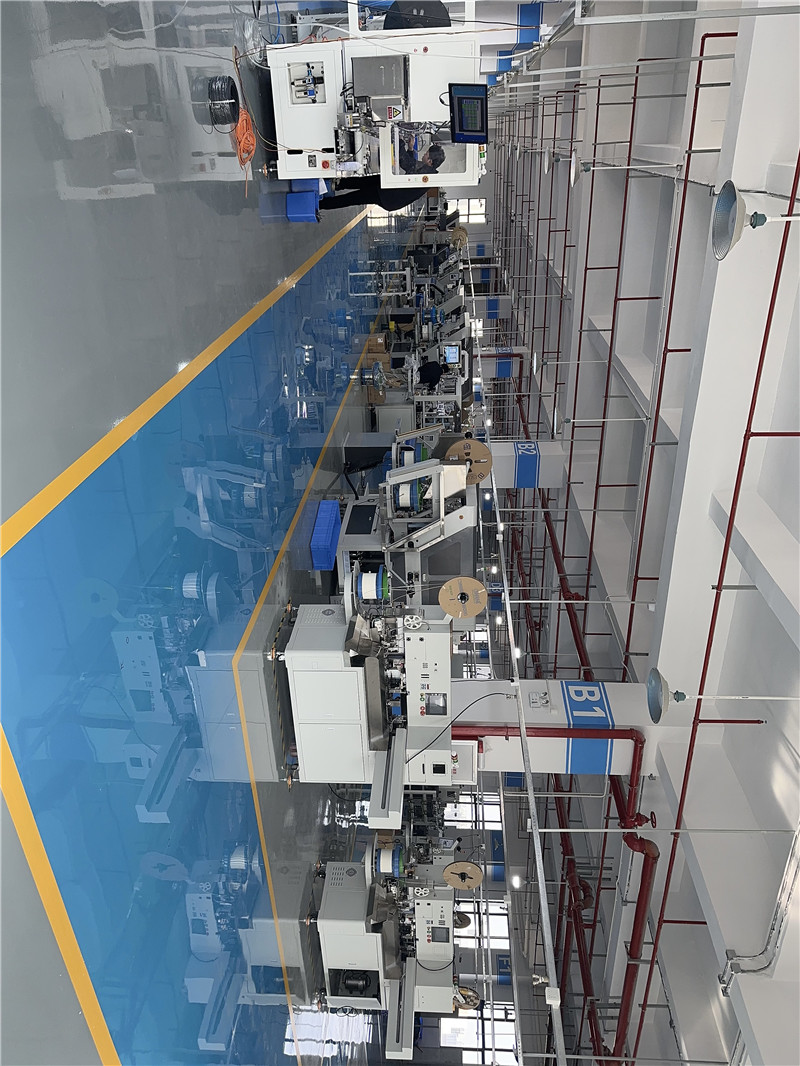
Packaging & Delivery
The file is encrypted. Please fill in the following information to continue accessing it


Privacy statement: Your privacy is very important to Us. Our company promises not to disclose your personal information to any external company with out your explicit permission.
Fill in more information so that we can get in touch with you faster
Privacy statement: Your privacy is very important to Us. Our company promises not to disclose your personal information to any external company with out your explicit permission.