


 Contact Now
Send Message
Privacy statement: Your privacy is very important to Us. Our company promises not to disclose your personal information to any external company with out your explicit permission.

Shaanxi Kaishi Biotechnology Co., Ltd

Product Description
Olive Leaf Extract Capsules are botanical nutraceutical products formulated from Olea europaea L. leaves and commonly standardized for oleuropein, the extract’s principal commercial marker. They are used in antioxidant, cardiovascular wellness, immune-support, and healthy-aging formulations where buyers require defined oleuropein content, consistent HPLC verification, reliable capsule loading, and clear differentiation between extract ratio and active-marker standardization.
Olive leaf extract is produced from the leaves of Olea europaea L. and contains naturally occurring secoiridoids and polyphenols, especially oleuropein. Commercial extracts are usually standardized according to oleuropein percentage rather than sold solely by extract ratio because the active-marker specification provides a more useful basis for comparing potency between suppliers.
For B2B capsule development, the key purchasing decision is the target oleuropein grade. Lower-Standardized Extracts preserve a broader botanical profile, while higher-standardized materials provide more concentrated oleuropein and can reduce the raw-material weight needed to achieve a defined active level in each capsule.
| Item | Specification |
|---|---|
| Product Name | Olive Leaf Extract Capsules |
| Botanical Name | Olea europaea L. |
| Plant Part | Leaf |
| Product Category | Standardized Plant Extract / Nutritional Supplement Capsules |
| Primary Marker | Oleuropein |
| Oleuropein CAS Number | 32619-42-4 |
| Oleuropein Molecular Formula | C25H32O13 |
| Oleuropein Molecular Weight | 540.51 g/mol |
| Typical Appearance | Yellow-brown to brown fine powder; higher-standardized grades may appear lighter depending on purification and processing |
| Common Standardization Grades | Typically 10%, 20%, and 40% oleuropein; higher-concentration grades may be used for specialized formulations |
| Common Extract Ratios | Concentrated botanical extract ratios vary according to extraction process; oleuropein standardization should take priority when comparing potency |
| Test Method | HPLC |
| Identity | Botanical identity combined with chromatographic or validated analytical verification |
| Capsule Shell | Hard gelatin or vegetarian HPMC capsule options |
| Capsule Fill | Customized according to oleuropein assay, capsule size, serving target, and formulation requirements |
| Particle Size | Controlled or customized according to blending, flow, and capsule filling requirements |
| Formulation Options | Single-ingredient olive leaf extract capsules or customized multi-botanical and antioxidant formulas |
| Quality Testing | Identity, oleuropein assay, heavy metals, microbiological parameters, residual solvents, and moisture |
| Shelf Life | Typically 24 months under recommended storage conditions |
| Storage | Store tightly sealed in a cool, dry place protected from direct sunlight, excessive heat, and moisture |
| Bulk Ingredient Packaging | 1 kg and 5 kg aluminum foil bags; 25 kg fiber drums for applicable bulk requirements; customized packaging supported |
| Finished Capsule Packaging | Bottles, jars, and customized private-label packaging formats |
| Order Quantity | Bulk and OEM production supported; requirements vary according to oleuropein grade, capsule configuration, formula, and packaging format |
The defining sourcing fingerprint for olive leaf extract is oleuropein standardization. An extract ratio such as 10:1 describes the concentration process but does not directly tell the buyer how much oleuropein is present. By contrast, an HPLC-verified 20% or 40% oleuropein specification gives a measurable active-marker target that can be used for formulation calculations and supplier comparison.
| Specification Type | What It Tells the Buyer | Best Procurement Use |
|---|---|---|
| Extract Ratio | Indicates the relationship between starting botanical material and finished extract | Useful as processing context but insufficient for active-content comparison |
| 10% Oleuropein | Lower standardized marker concentration with broader botanical matrix contribution | Suitable for general olive leaf botanical positioning |
| 20% Oleuropein | Balanced standardized grade with higher active density | Useful for mainstream nutraceutical capsule development |
| 40% Oleuropein | More concentrated marker specification | Suitable when capsule-space efficiency and higher oleuropein loading are priorities |
Two extracts carrying the same nominal extract ratio can contain different oleuropein levels because cultivar, harvest conditions, raw-material quality, extraction solvent, temperature, and purification steps affect the final composition. For this reason, procurement teams should use extract ratio together with HPLC-standardized oleuropein content rather than treating ratio alone as a potency specification.
Oleuropein is the most widely used commercial marker for olive leaf extract, but it is not the only naturally occurring constituent. Olive leaves also contain other phenolic compounds and related secoiridoids. A standardized extract therefore represents a botanical matrix, while a highly purified oleuropein ingredient represents a more compound-focused formulation strategy.
This distinction matters for product positioning. Buyers seeking a traditional botanical identity may prefer a standardized olive leaf extract, while projects focused on active-density and precise oleuropein loading may select a higher-standardization grade.
Olive Leaf Extract Capsules are commonly used in antioxidant, cardiovascular wellness, immune-support, healthy-aging, and Mediterranean botanical supplement categories. Oleuropein and olive-derived polyphenols have been studied for antioxidant and related biological properties. Finished-product claims should remain consistent with applicable food and dietary supplement regulations in the intended market.
Grade selection should match the target active level, capsule size, cost structure, and positioning of the finished product. A 10% extract requires more raw material to deliver the same oleuropein amount as a 20% or 40% extract, but it may preserve a broader botanical-extract positioning. Higher grades provide greater active density and more efficient use of capsule space.
For combination products, a higher-standardized extract can create more room for complementary ingredients. For single-ingredient olive leaf capsules, buyers may instead select the grade according to intended label strength, botanical identity, and finished-product price point.
Olive Leaf Extract Capsules can be customized according to oleuropein concentration, capsule shell, serving configuration, complementary ingredients, and finished packaging. OEM programs can range from straightforward single-ingredient products to broader antioxidant, cardiovascular wellness, and healthy-aging formulations.
Reliable olive leaf extract sourcing requires botanical identity and active-marker verification. Production under GMP-standard conditions combined with HPLC assay and contaminant testing helps establish consistent commercial quality. Buyers should review oleuropein content, analytical method, plant part, moisture, and contaminant controls together rather than relying only on the ingredient name.
A well-defined olive leaf extract specification makes the botanical source, plant part, oleuropein grade, assay method, and relevant quality parameters explicit. This gives purchasing teams a stronger technical basis for comparing materials than extract ratio alone and helps align raw-material potency with capsule capacity and finished-product positioning.
In-house R&D and testing support, GMP-standard production conditions, customized formulation, private-label packaging, third-party testing options, and stable bulk supply can support projects from ingredient selection through commercial Capsule Manufacturing.
Bulk olive leaf extract is commonly supplied in sealed aluminum foil bags and suitable fiber drums, depending on quantity and standardization grade. Finished capsules can be packed in bottles, jars, and customized private-label formats. Products should remain tightly sealed and protected from excessive heat, moisture, and direct sunlight during storage.
The two specifications describe different things. A 10:1 ratio indicates extraction concentration, while 20% oleuropein states a measurable active-marker level. For formulation and supplier comparison, HPLC-verified oleuropein content is generally more useful because it allows the actual marker contribution per capsule to be calculated directly.
The percentage indicates the standardized oleuropein concentration in the extract. Higher grades provide more oleuropein per gram and can reduce the ingredient weight required per capsule. Lower-standardized grades may retain a broader botanical-matrix positioning and can be suitable when maximum active density is not the primary formulation objective.
No. Olive leaf extract is a botanical mixture containing oleuropein together with other naturally occurring constituents. Purified oleuropein is a more concentrated individual-compound ingredient. Buyers should choose between them according to botanical positioning, target active level, capsule capacity, analytical specification, and finished-product labeling strategy.
A useful COA should confirm botanical identity, plant part, oleuropein assay, analytical method, moisture, heavy metals, microbiological parameters, and residual solvents where applicable. For standardized extracts, HPLC verification is particularly important because it provides a more meaningful potency measure than extract ratio alone.
Olive Leaf Extract Capsules provide a standardized Mediterranean botanical format for antioxidant, cardiovascular wellness, immune-support, and healthy-aging supplement development. For B2B sourcing, the key decision is matching HPLC-verified oleuropein concentration with capsule loading, botanical positioning, analytical quality, and overall formulation requirements rather than relying on extract ratio alone.
Contact us today to request samples, a COA, technical documents, and a wholesale quotation for Olive Leaf Extract Capsules.
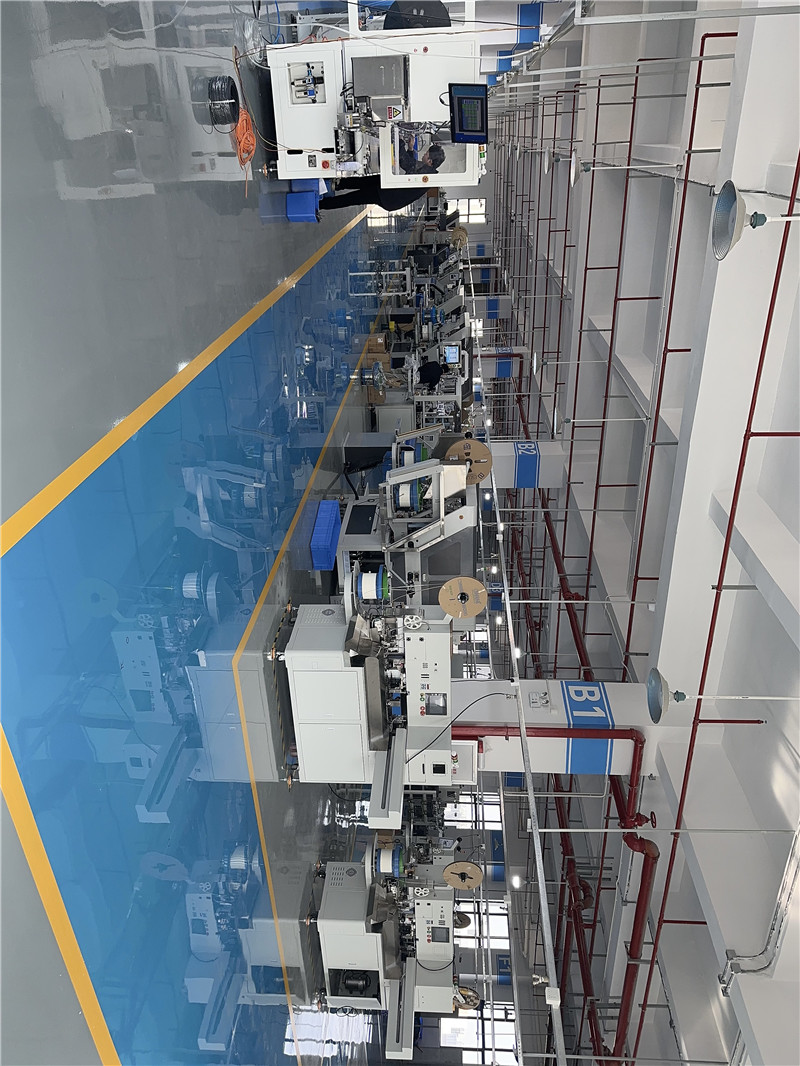
Packaging & Delivery
The file is encrypted. Please fill in the following information to continue accessing it


Privacy statement: Your privacy is very important to Us. Our company promises not to disclose your personal information to any external company with out your explicit permission.
Fill in more information so that we can get in touch with you faster
Privacy statement: Your privacy is very important to Us. Our company promises not to disclose your personal information to any external company with out your explicit permission.