

 Contact Now
Send Message
Privacy statement: Your privacy is very important to Us. Our company promises not to disclose your personal information to any external company with out your explicit permission.

Shaanxi Kaishi Biotechnology Co., Ltd

$2.2
5-499 Others
$1.8
500-999 Others
$1.5
≥1000 Others


Product Description
Magnesium Glycinate Gummies are chewable dietary supplements formulated with magnesium glycinate, commonly magnesium bisglycinate, to provide supplemental magnesium in a convenient gummy format. Developed for private-label and OEM programs, they can be customized by elemental magnesium target, chelate grade, gummy base, flavor, sugar system, serving size, shape, and retail packaging.
For professional sourcing, the critical specification is elemental magnesium rather than the total weight of magnesium glycinate powder. Magnesium glycinate is a magnesium-glycine chelate, and its raw-material weight is substantially higher than the amount of elemental magnesium it contributes. Buyers should therefore compare elemental magnesium, chelate composition, buffering status, serving size, and finished-product verification.
| Item | Specification |
|---|---|
| Product Name | Magnesium Glycinate Gummies |
| Product Category | Supplement Contract Manufacturing / Mineral Gummy Manufacturing |
| Dosage Form | Chewable gummy |
| Primary Active Ingredient | Magnesium glycinate, commonly magnesium bisglycinate or magnesium diglycinate |
| Finished Product CAS Number | Not applicable to the finished multi-ingredient gummy product |
| Magnesium Glycinate CAS Number | 14783-68-7 |
| Magnesium Glycinate Molecular Formula | C4H8MgN2O4 |
| Magnesium Glycinate Molecular Weight | 172.42 g/mol |
| Raw Material Appearance | White to off-white powder |
| Elemental Magnesium | Specified according to the selected chelate grade; pure stoichiometric magnesium bisglycinate contains approximately 14.1% magnesium by mass, while commercial grades may differ according to composition, hydration, or buffering |
| Common Raw Material Grades | Unbuffered magnesium bisglycinate, buffered magnesium glycinate, and customized food- or supplement-appropriate grades |
| Magnesium Strength | Customized according to target elemental magnesium per serving, gummy loading capacity, daily gummy count, texture, flavor, and applicable regulations |
| Test Method | Elemental magnesium commonly determined by validated mineral-analysis methods such as ICP-OES, ICP-MS, atomic absorption, or other appropriate compendial methods |
| Chelate Verification | Identity, composition, glycine relationship, and chelation-related documentation evaluated according to the selected raw-material specification |
| Gummy Base | Pectin or gelatin systems available |
| Finished Appearance | Uniform molded gummies with customizable color, flavor, shape, size, and surface finish |
| Flavor Options | Berry, raspberry, lemon, orange, grape, peach, mixed fruit, and customized flavor profiles |
| Sweetener System | Conventional and reduced-sugar formulations available |
| Complementary Ingredients | Selected compatible vitamin D, vitamin B6, zinc, electrolytes, and other Nutritional Ingredients |
| Quality Testing | Identity, elemental magnesium, relevant chelate specification, heavy metals, microbiological parameters, moisture, and finished-product quality testing |
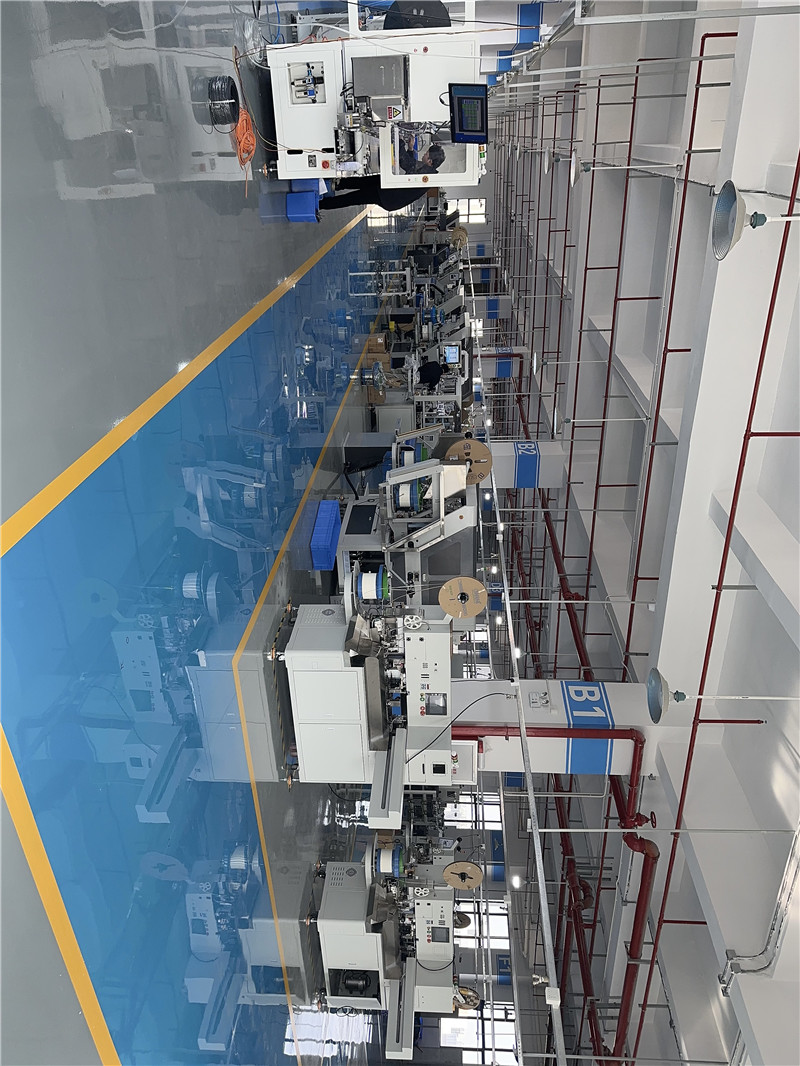
| Manufacturing | Produced under GMP-standard conditions |
| Shelf Life | Commonly up to 24 months when supported by formulation, packaging, and validated storage conditions |
| Storage | Store in a cool, dry place away from direct sunlight, excessive heat, and moisture |
| Packaging | Bottles, jars, pouches, bulk packs, and customized private-label retail packaging |
| MOQ | Flexible commercial quantities depending on elemental magnesium target, formula complexity, gummy format, packaging, and customization scope |
| Applications | Daily magnesium supplements, relaxation-positioned Wellness Products, muscle-function nutrition, active-lifestyle formulas, sleep-support-positioned supplements, and private-label mineral gummies |
The most important buyer-decision point for Magnesium Glycinate Gummies is the difference between compound weight and elemental magnesium. A label or quotation stating several hundred milligrams of magnesium glycinate does not mean the consumer receives the same amount of magnesium. Only a fraction of the chelate's total mass is elemental magnesium.
| Specification | What It Represents | Procurement Importance |
|---|---|---|
| Magnesium Glycinate Weight | Total weight of the magnesium-glycine compound or commercial raw-material blend | Does not by itself show the actual magnesium delivered |
| Elemental Magnesium | Actual magnesium contribution from the mineral ingredient | Primary value for dose design, label calculation, and finished-product comparison |
| Magnesium Percentage | Proportion of elemental magnesium in the selected raw material | Required to calculate how much ingredient must be added to achieve the serving target |
| Buffering Status | Indicates whether another magnesium source, commonly magnesium oxide, is present with the glycinate material | Can change elemental magnesium percentage and should be disclosed when comparing chelate grades |
| Finished-Product Magnesium Assay | Analytical measurement of magnesium in the completed gummy | Provides stronger quality verification than theoretical formulation input alone |
Magnesium glycinate includes both magnesium and glycine-derived mass. Pure stoichiometric magnesium bisglycinate contains only about 14.1% elemental magnesium by weight, so compound weight should never be presented as though it were elemental magnesium. Commercial grades can differ further, making the supplier's elemental magnesium specification essential for accurate formulation and labeling.
Another important sourcing distinction is whether the magnesium glycinate is an unbuffered chelate or a buffered commercial material. Unbuffered magnesium bisglycinate is designed around magnesium bound with glycine, while buffered products may incorporate another magnesium source to increase total elemental magnesium or alter raw-material characteristics.
| Grade | Typical Characteristic | Buyer Consideration |
|---|---|---|
| Unbuffered Magnesium Bisglycinate | Formulated around the magnesium-glycine chelate without intentionally adding another magnesium source for buffering | Suitable when chelate identity and formulation transparency are priorities |
| Buffered Magnesium Glycinate | May contain magnesium oxide or another magnesium component in addition to glycinate material | May provide a different elemental magnesium percentage; composition should be reviewed before comparison |
| Customized Magnesium Blend | Combines selected magnesium forms for formulation or positioning goals | Each mineral source and its elemental contribution should be clearly specified |
A higher elemental magnesium percentage does not automatically indicate a higher-quality glycinate chelate. It may reflect a different ingredient composition. Procurement teams should therefore ask whether the material is buffered, what magnesium forms are present, how elemental magnesium is measured, and whether the ingredient description matches the intended product positioning.
| Product Concept | Specification Priority | Formulation Logic |
|---|---|---|
| Magnesium Glycinate-Focused Gummy | Defined unbuffered or buffered grade plus elemental magnesium per serving | Keeps ingredient identity and magnesium contribution clear for procurement and labeling |
| High-Elemental-Magnesium Gummy | Maximum practical elemental magnesium within acceptable gummy size and texture | Requires careful control of mineral loading, serving count, taste, and chew |
| Magnesium + Vitamin B6 Gummy | Defined elemental magnesium with a specified vitamin B6 contribution | Supports a complementary wellness concept without obscuring the primary mineral dose |
| Magnesium + Vitamin D Gummy | Clearly quantified magnesium and vitamin D levels | Useful for broader mineral and wellness formulations while maintaining dose transparency |
| Reduced-Sugar Magnesium Gummy | Elemental magnesium target plus optimized sweetener system | Requires simultaneous control of mineral taste, texture, water activity, and sweetness |
Magnesium Gummies can require substantial raw-material loading because only part of magnesium glycinate's weight is elemental magnesium. Increasing the elemental magnesium target therefore increases the amount of mineral ingredient that must fit into the gummy matrix. This can affect gummy size, daily serving count, chew, opacity, flavor, and processing behavior.
For this reason, the elemental magnesium target should be established before the gummy weight or number of pieces per serving is finalized. A commercially practical formula balances meaningful magnesium delivery with acceptable texture and consumer use rather than maximizing compound weight without regard to dosage-form limitations.
Mineral ingredients can introduce bitterness, chalkiness, salinity, or lingering aftertaste, and higher magnesium loading can make these effects more noticeable. Flavor development should therefore be performed at the intended elemental magnesium level rather than on a low-dose prototype that does not represent the commercial formulation.
Berry, citrus, grape, and other fruit systems can be used to balance mineral notes. Acidification, sweetness, aroma, gummy base, and active loading should be optimized together because changes made to improve taste can also affect texture and product stability.
OEM and private-label development can include magnesium-grade selection, elemental-dose calculation, complementary ingredient selection, gummy-base optimization, flavor masking, pilot evaluation, finished-product manufacturing, labeling, and retail packaging. Projects should begin with a defined elemental magnesium target and clear decision on whether an unbuffered or buffered glycinate grade is required.
Commercial quantities vary according to mineral loading, formulation complexity, gummy base, flavor system, mold size, bottle configuration, label requirements, and secondary packaging. Flexible manufacturing structures support focused magnesium glycinate products as well as multi-ingredient wellness formulas without relying on one fixed production quantity for every specification.
Quality evaluation should cover both the magnesium glycinate raw material and the finished gummy. Production under GMP-standard conditions can be supported by in-house R&D and analytical testing, with particular attention to elemental magnesium, chelate composition, heavy metals, microbiological quality, moisture, and batch-to-batch finished-product consistency.
A technically credible Magnesium Glycinate Gummy should specify actual elemental magnesium rather than relying on a large chelate-weight number. Defining magnesium percentage, buffering status, chemical form, serving contribution, analytical method, and finished-product quality provides a clearer basis for comparing suppliers and maintaining formulation consistency across production batches.
Magnesium Glycinate Gummies can be packed in bottles, jars, pouches, bulk packs, and customized retail formats. Packaging should protect the gummies from excessive moisture, heat, direct light, and environmental exposure. Bottle count, closure system, suitable moisture-control options, label application, and outer packaging can be adapted to the product formula and distribution channel.
Buyers should compare elemental magnesium per serving, the percentage of magnesium in the raw material, whether the glycinate is buffered or unbuffered, gummies per serving, complementary ingredients, and finished-product testing. Comparing only total magnesium glycinate powder weight can create a misleading impression of actual mineral delivery.
Magnesium glycinate is commonly used commercially to refer to magnesium bisglycinate or diglycinate, in which magnesium is associated with two glycinate groups. Raw-material terminology can vary between suppliers, so buyers should review the chemical identity, ingredient composition, elemental magnesium specification, and supporting technical documentation rather than relying only on the marketing name.
A buffered commercial magnesium glycinate can include another magnesium source, commonly magnesium oxide, together with glycinate material. This can change the elemental magnesium percentage and raw-material characteristics. Buyers seeking a specific chelate profile should confirm the ingredient composition and buffering status before approving samples or calculating label claims.
Elemental magnesium represents the actual magnesium delivered by the ingredient. Magnesium glycinate also contains glycine-derived mass, so total compound weight is much higher than its magnesium contribution. Formulation targets, nutrition labeling, supplier comparison, and finished-product testing should therefore be based primarily on elemental magnesium rather than the total chelate weight.
Commercial buyers commonly review the COA, TDS, SDS, chemical identity, elemental magnesium assay, chelate or composition information, buffering status, heavy metals results, microbiological limits, and complementary ingredient specifications. Finished-product programs should also define serving size, magnesium target, packaging, storage conditions, shelf life, and target-market labeling before production.
Magnesium Glycinate Gummies provide a practical platform for mineral and wellness supplements, but meaningful product differentiation depends on transparent mineral specifications. Defining elemental magnesium, chelate form, buffering status, daily serving, mineral loading, sensory performance, finished-product testing, and packaging creates a clearer procurement standard and a more technically credible commercial formula.
Contact us today to request samples, a COA, technical documents, formulation support, and a wholesale quotation for Magnesium Glycinate Gummies.
Packaging & Delivery
The file is encrypted. Please fill in the following information to continue accessing it


Privacy statement: Your privacy is very important to Us. Our company promises not to disclose your personal information to any external company with out your explicit permission.
Fill in more information so that we can get in touch with you faster
Privacy statement: Your privacy is very important to Us. Our company promises not to disclose your personal information to any external company with out your explicit permission.